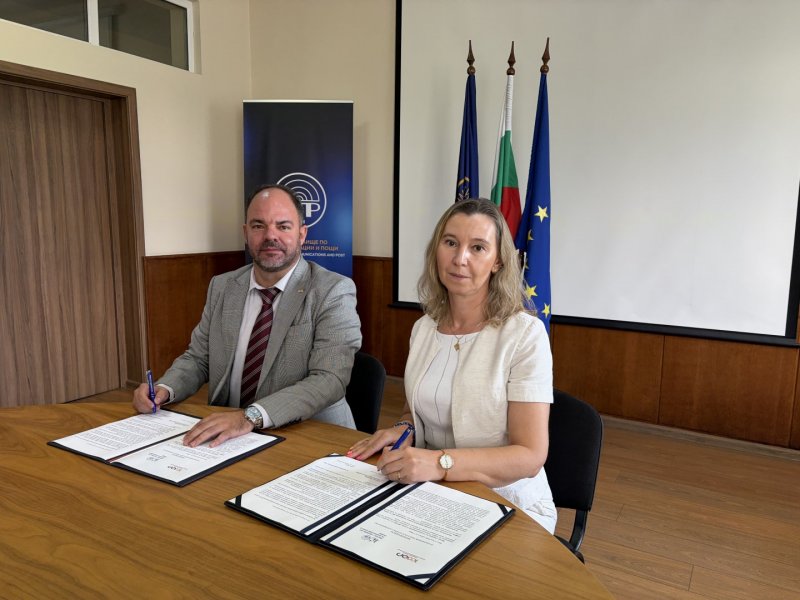
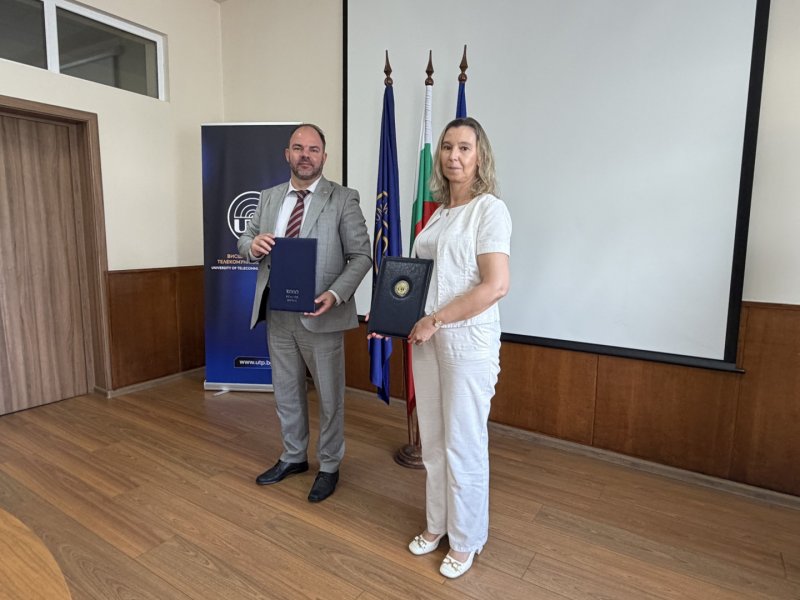
The National Council of TPK and the Higher School of Telecommunications and Posts signed a Memorandum of Long-term Cooperation.
09/07/2026
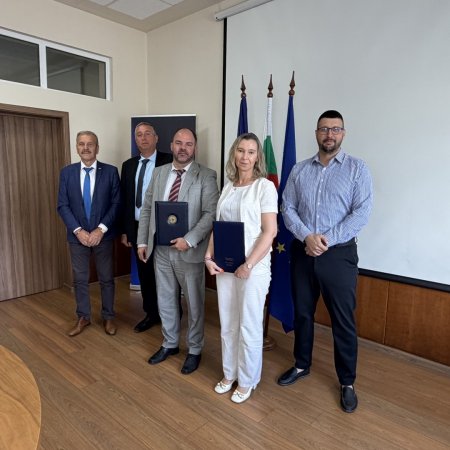 The Higher School of Telecommunications and Posts (HSTP) and the National Union of Worker-Producer Cooperatives (NUWPC) have signed a Memorandum of Interaction and Long-term Cooperation, aimed at fostering a partnership between the academic community and the cooperative sector. The document was signed by the Rector of the HSTP, Prof. Dr. Miglena Temelkova, and the Chairman of the NUWPC, Assoc. Prof. Dr. Vladislav Lazarov.
The Memorandum outlines joint initiatives in the fields of education, vocational training, applied research, and the development of highly qualified professionals tailored to the needs of the modern labor market. Key areas of cooperation include organizing joint scientific and practical forums; developing and implementing collaborative projects—including those funded by European programs; facilitating internships and practical training for students; and conducting specialized training programs for members of the cooperative system.
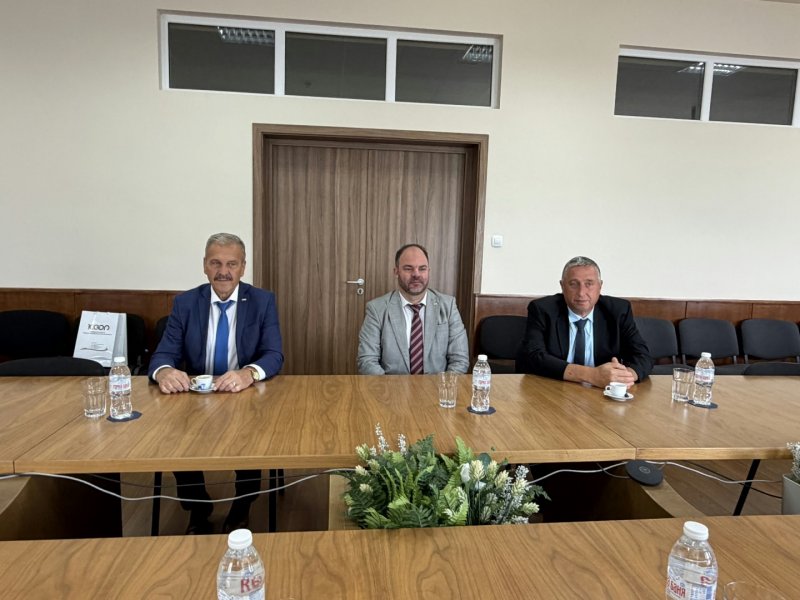
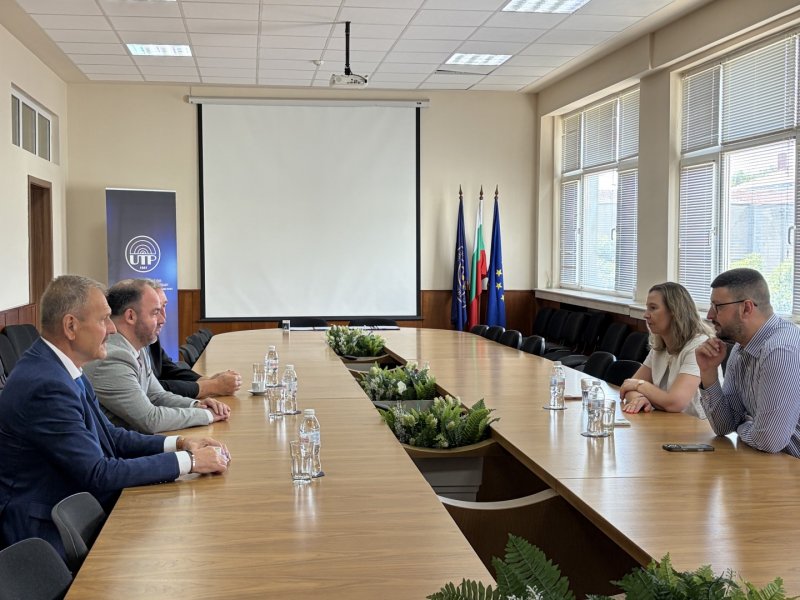
During the official meeting, the importance of sustainable interaction between higher education, the business sector, and socially responsible organizations was highlighted as essential for building a competitive and innovative economic environment. Emphasis was also placed on the necessity of developing digital competencies and promoting lifelong learning as critical factors for successful professional careers. During the discussion, the Rector of the University of Telecommunications and Post (UTP), Prof. Miglena Temelkova, PhD, presented the "Women in Tech" initiative, through which the university offers free training in digital competencies, cybersecurity, and artificial intelligence. She invited representatives and members of the National Council of Labor-Producer Cooperatives (NC of TPK) to join the program, which has trained nearly 1,000 participants in less than three years. The Chairman of the NC of TPK, Assoc. Prof. Vladislav Lazarov, DSc, emphasized the importance of the trust built between the two institutions over the years and expressed confidence that the signed memorandum would create new opportunities for effective cooperation, joint initiatives, and sustainable development.